Slaughter Line & Processing
Keep the identity intact after the head comes off
Read the animal ID in the lairage, tie it to the carcass after dressing, and keep the traceability chain unbroken through chilling, grading and dispatch.
Where it goes wrong
The ear tag leaves with the head
Identification has to be transferred to the carcass within seconds, or the link between animal and meat is gone.
Wash-down destroys ordinary labels
Hot water and high-pressure cleaning remove adhesives, so paper labels cannot be relied on through chilling.
Line speed leaves no time to type
Manual entry cannot keep pace with the rail, and any retyped number is a chance for a traceability failure.
How we address it
Tags that travel with the carcass
Rail tags and tie-on labels fitted with LF or UHF inlays survive dressing, wash-down and chilling.
Fixed reading, no operator step
Fixed readers and antennas read the tag as it passes, so identification adds no cycle time to the line.
Grading data on the same record
Each read carries the animal ID forward to the grading station, keeping weight, grade and origin on one record.
Typical specification
Reference figures for this application. Final specification is confirmed against your animals, handling routine and reading equipment.
| Operating frequency | 134.2 kHz (LF) or UHF 860–960 MHz |
|---|---|
| Standards | LF tags compliant with ISO 11784 / ISO 11785; UHF per ISO 18000-6C |
| Read distance | 30 cm to 2 m depending on reader and antenna |
| Hygiene | Smooth body, no adhesive, resistant to wash-down |
| Reader interface | RS232, RS485, Ethernet or Wiegand |
| Integration | Output format matched to your grading or MES software |
Common questions
Can the tags be read through a plastic bag or crate?
UHF reads through most non-metal packaging, which is why it is common for carton and pallet stages. Where the carcass is on a metal rail, LF or an on-metal tag design is usually the safer choice.
How do we connect a fixed reader to our existing line software?
Readers output on RS232, RS485, Ethernet or Wiegand. Send the interface your system expects and we will match the output format.
Do you supply the reader and tags together?
Yes. Supplying both avoids the common situation where a tag and reader from different sources do not achieve the required read rate.
Products used in this application
Tag and reader combinations we supply together for this scenario.
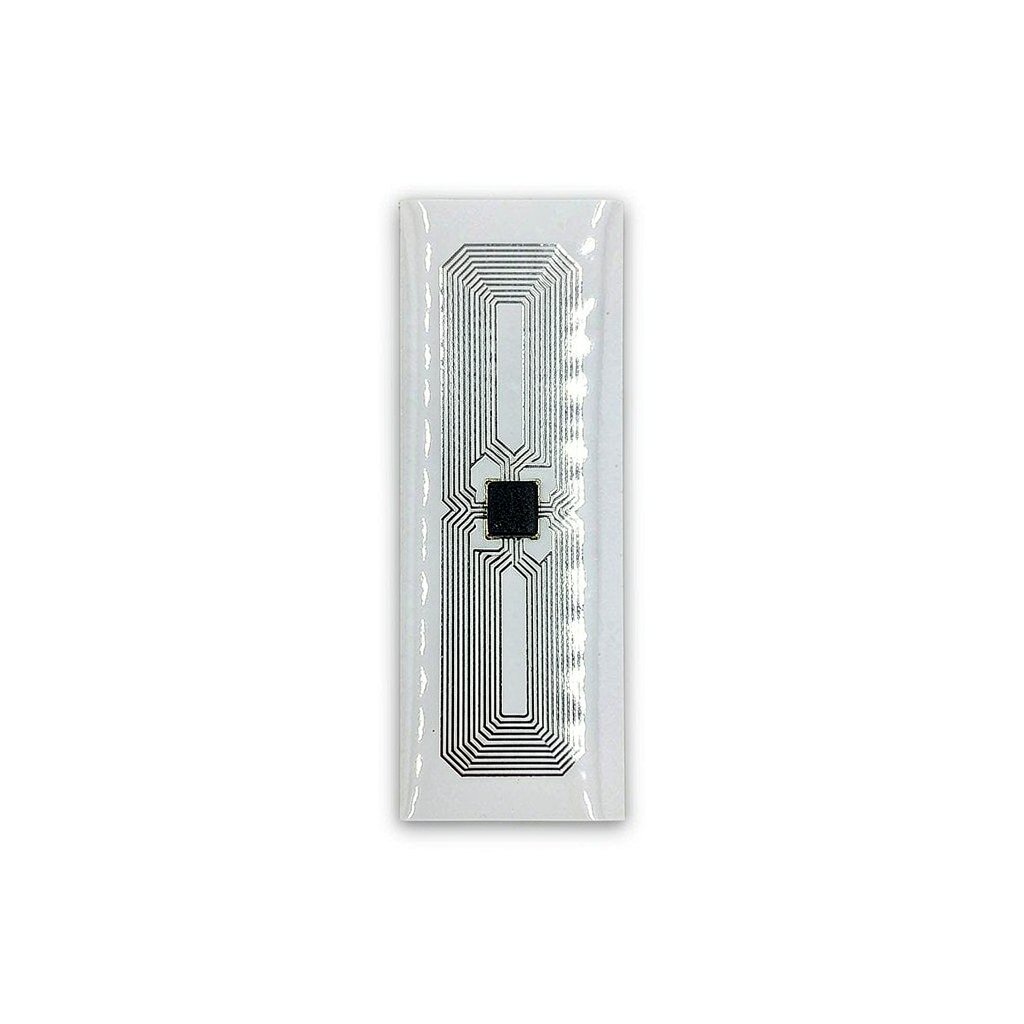
UHF RFID Label 860-960 MHz - Alien H3
EPC Gen2 UHF RFID label with Alien Higgs-3 chip, long read range for logistics and asset tracking.
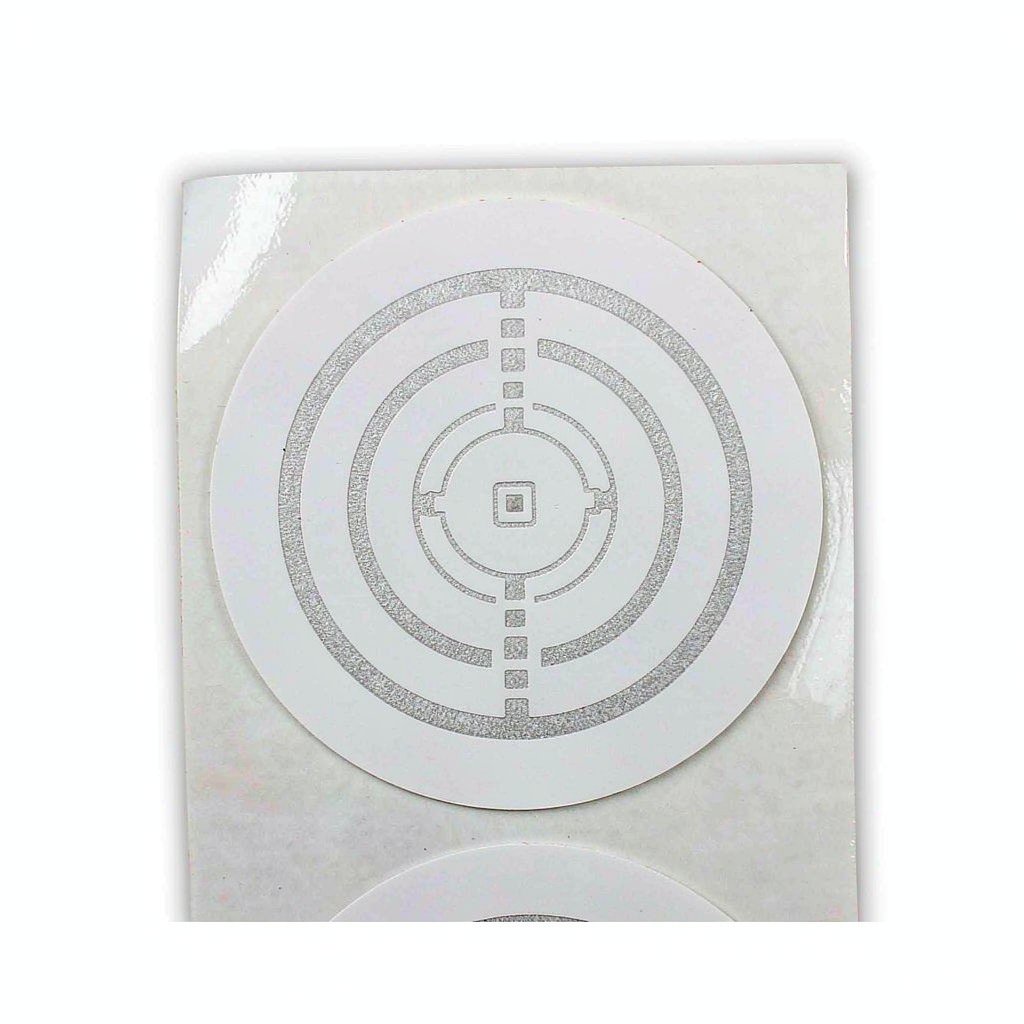
NFC Sticker NTAG213 25 mm Round Label
Round NFC sticker with NTAG213 chip, ideal for product authentication and smartphone interaction.
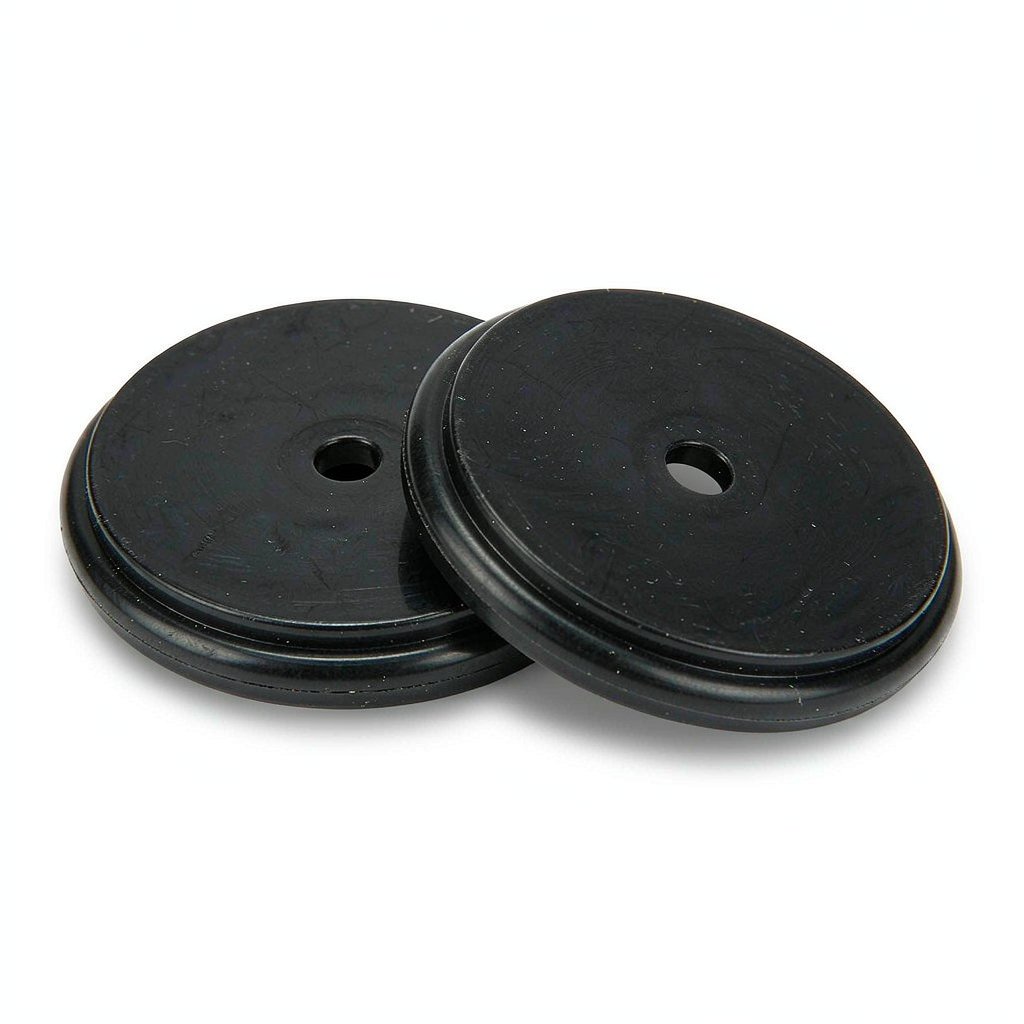
ABS RFID Disc Tag Waterproof - LF / HF / UHF
Ultrasonically sealed ABS disc tag, IP68 waterproof, available with 125 kHz, 13.56 MHz or UHF chip for asset and equipment tracking.
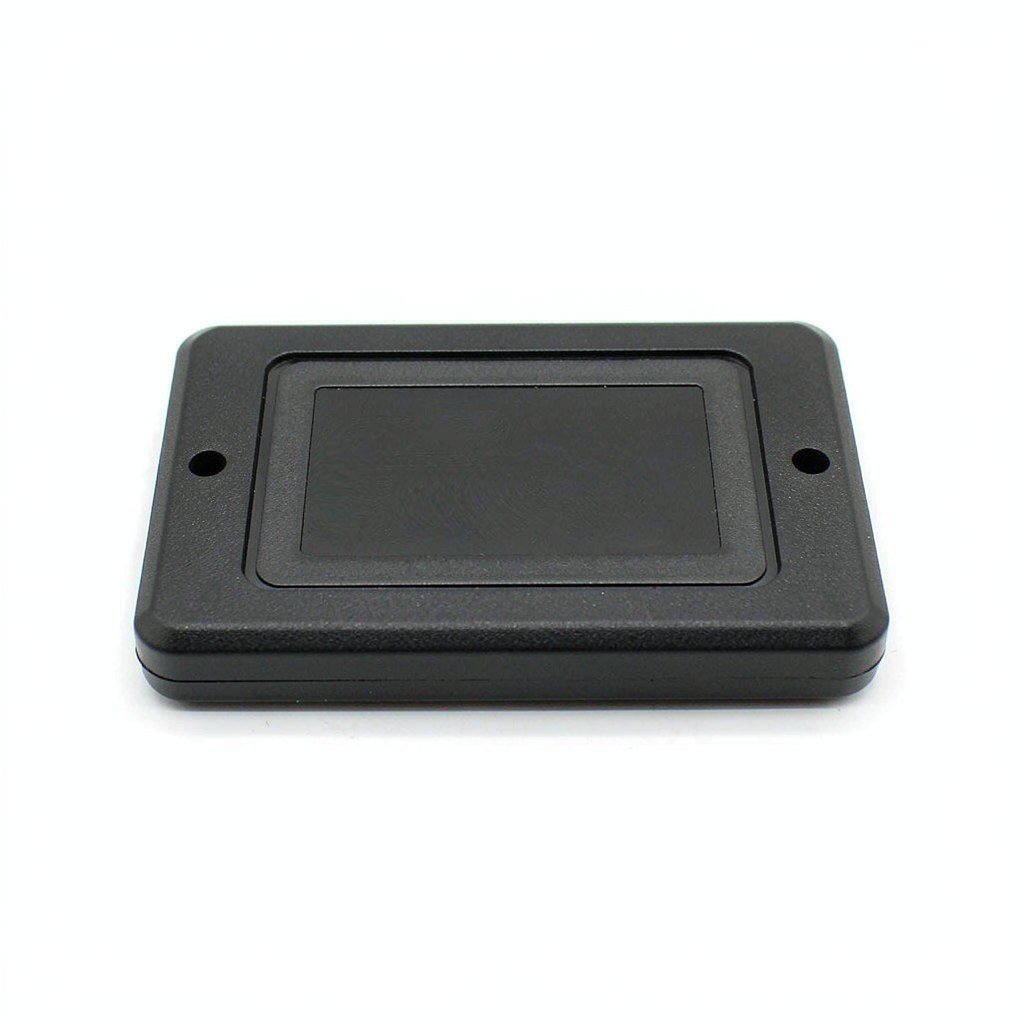
ABS RFID Asset Tag Rectangle - Screw Mount LF / HF / UHF
Rectangular ABS asset tag with screw holes and printable panel, for pallets, containers and heavy equipment. LF, HF and UHF chips available.
Start with a sample, not an order
Evaluate the tag and reader on your own animals before committing to volume. Send your specification and we will confirm sample availability, lead time and pricing.