Livestock Traceability
Identification that survives inspection
Give every animal a permanent, machine-readable identity so movement records, health treatments and ownership changes can be reconstructed years later — for export certification, subsidy claims or buyer audits.
Where it goes wrong
Every market has its own scheme
Destination countries differ in numbering format and data requirements, and a tag that satisfies one buyer may be rejected by the next.
The chain breaks when animals move
Records are complete at the farm of birth but fragment as animals pass through markets, dealers and feedlots.
Tags fail before the record does
Faded print or a lost tag means an animal that cannot be identified, which is exactly the situation an inspection targets.
How we address it
A unique, non-reusable identity
Each transponder carries a factory-programmed ID that is not repeated, so two animals can never share an identity.
Readable by machine and by eye
The laser-printed number and the electronic ID always agree, so an inspector can verify either way without a reader.
Data you can hand over
Reading sessions export as CSV or Excel, ready to attach to movement permits, subsidy claims or buyer documentation.
Typical specification
Reference figures for this application. Final specification is confirmed against your animals, handling routine and reading equipment.
| Operating frequency | 134.2 kHz (LF), FDX-B; HDX available on request |
|---|---|
| Standards | Compliant with ISO 11784 / ISO 11785 |
| Transponder | EM4305 or equivalent, factory programmed |
| Numbering | Sequential and non-repeating; custom prefixes supported |
| Printing | Laser marking, resistant to sunlight and abrasion |
| Working temperature | -40 °C to +65 °C |
Common questions
Can the tags be programmed with our own number series?
Yes. Send the numbering rule and starting number, and we programme and laser-print to match. A numbering confirmation sheet is provided before production.
FDX-B or HDX — which should we order?
FDX-B is the more widely supported format and reads faster at short range. HDX performs better where reading distance and metal interference matter, and is normally required only where a national scheme specifies it.
Are the tags compliant with ISO standards?
Yes — FDX-B 134.2 kHz transponders manufactured to ISO 11784 / ISO 11785, with the chip specification sheet available on request.
Products used in this application
Tag and reader combinations we supply together for this scenario.
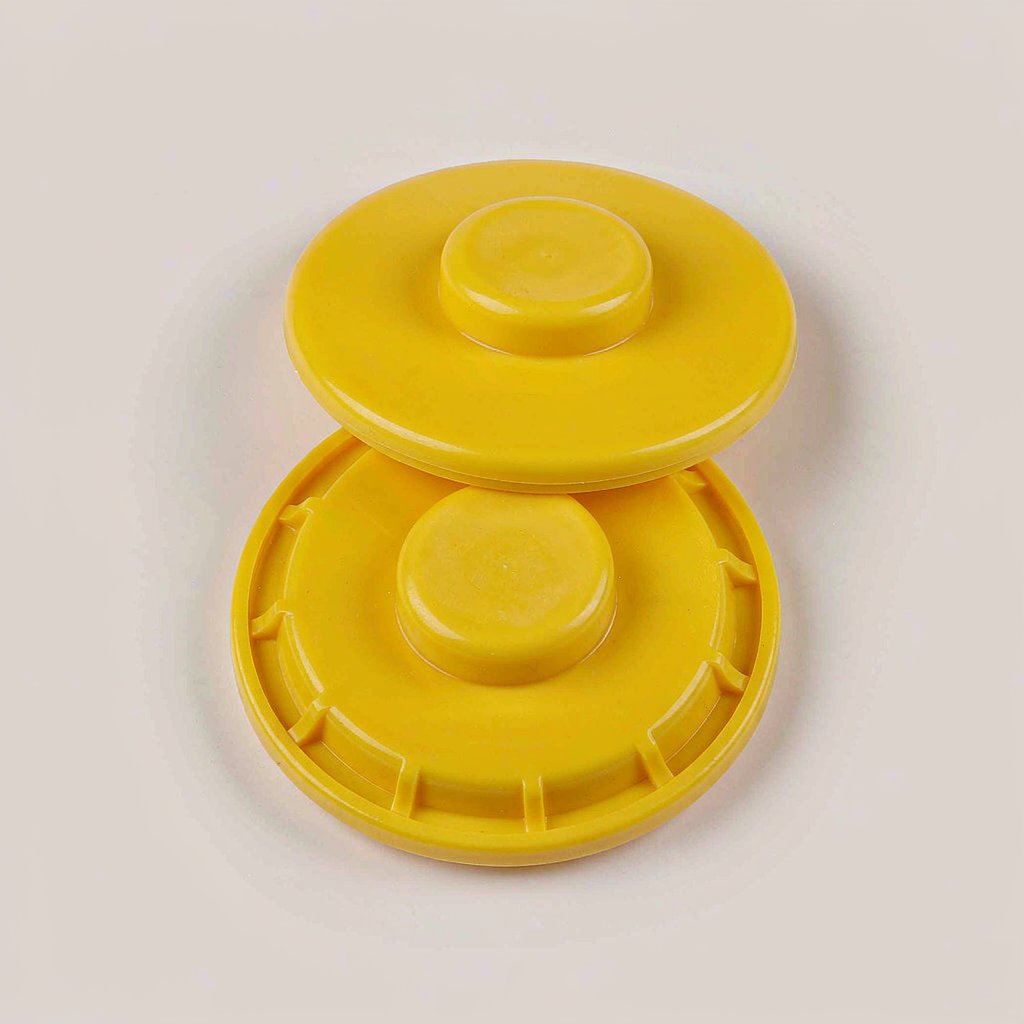
Cattle RFID Ear Tag FDX-B 134.2 kHz
Livestock electronic ear tag compliant with ISO 11784 / ISO 11785, FDX-B 134.2 kHz, for cattle identification and traceability.
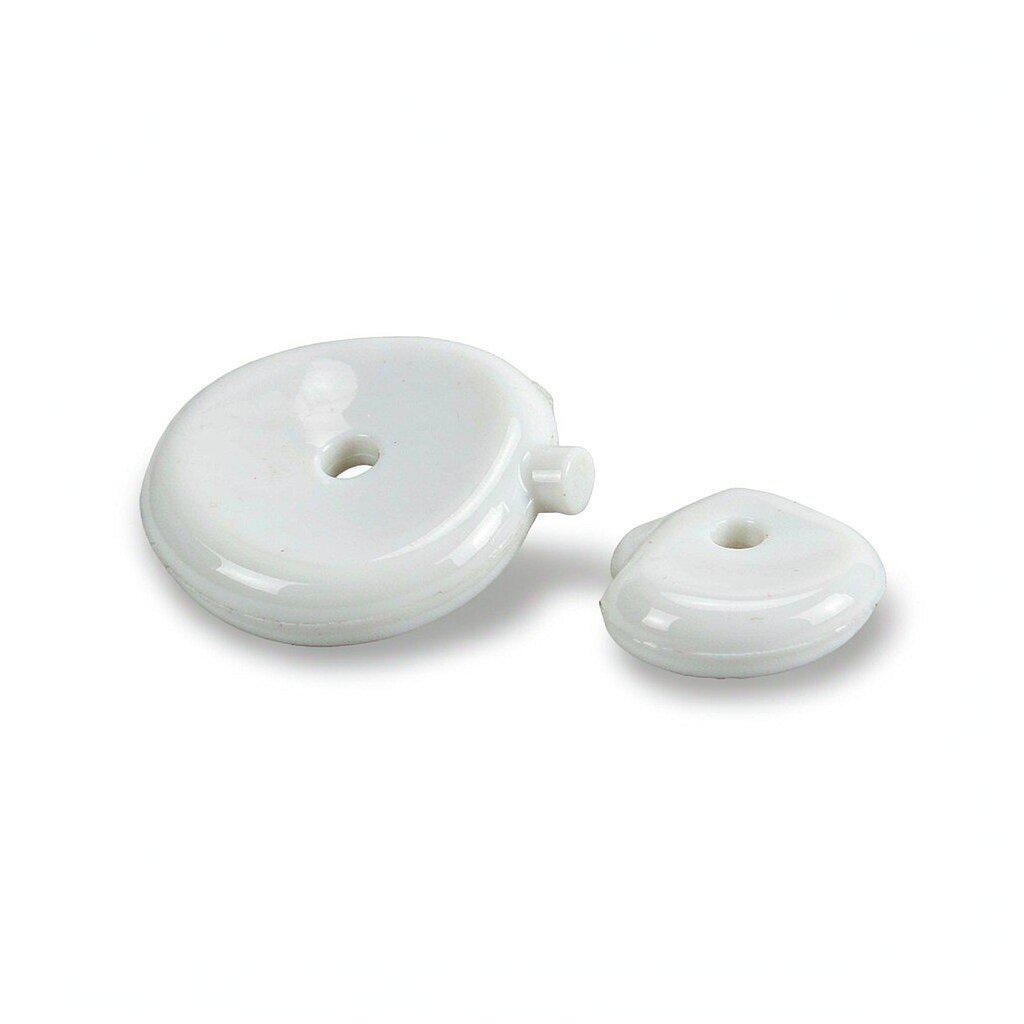
Sheep & Goat RFID Ear Tag FDX-B 134.2 kHz
Lightweight electronic ear tag for sheep and goat, ISO 11784 / ISO 11785 compliant, FDX-B 134.2 kHz.
Start with a sample, not an order
Evaluate the tag and reader on your own animals before committing to volume. Send your specification and we will confirm sample availability, lead time and pricing.