Breeding & Veterinary Care
A full history for every breeding female
Keep an accurate record of services, pregnancy checks, calving and treatments against each animal, so breeding decisions are based on what happened rather than what is remembered.
Where it goes wrong
Breeding history lives in one person’s head
When the herdsman changes, calving intervals and service records are effectively lost.
Inbreeding risk from unclear pedigrees
Without a reliable dam record per animal, avoiding close matings depends on memory and luck.
Treatment records must be defensible
Withdrawal periods have to be traceable to a specific animal and date, or the carcass cannot be sold.
How we address it
Records attached to the animal
Read the tag and the animal file opens — services, calving dates and treatments stored per ID rather than per notebook.
Fast single-handed reading
One-hand operation at the chute means the vet or technician records without an assistant holding a clipboard.
A log your vet can use
Treatment history exports in a standard table, ready to share with your veterinarian or for compliance filing.
Typical specification
Reference figures for this application. Final specification is confirmed against your animals, handling routine and reading equipment.
| Operating frequency | 134.2 kHz (LF), FDX-B |
|---|---|
| Standards | Compliant with ISO 11784 / ISO 11785 |
| Reader interface | Bluetooth, USB and RS232 depending on model |
| Reader memory | Up to 10,000 IDs stored offline |
| Tag sizes | Separate sizes for cow, heifer, sheep and goat |
| Customisation | Farm name, herd code and colour options |
Common questions
Can we use our existing herd software with these readers?
Readings export as CSV or through a keyboard-emulation mode, which most herd management packages accept. Send us your software name and we will confirm the interface.
Are smaller tags available for young stock?
Yes. Smaller tag sizes are produced for lambs, kids and calves, with shorter studs to reduce snagging.
How durable are the tags in practice?
The tag body is UV-stabilised TPU with a tamper-evident male stud. Retention and read rate depend most on correct application and stud choice for the species.
Products used in this application
Tag and reader combinations we supply together for this scenario.
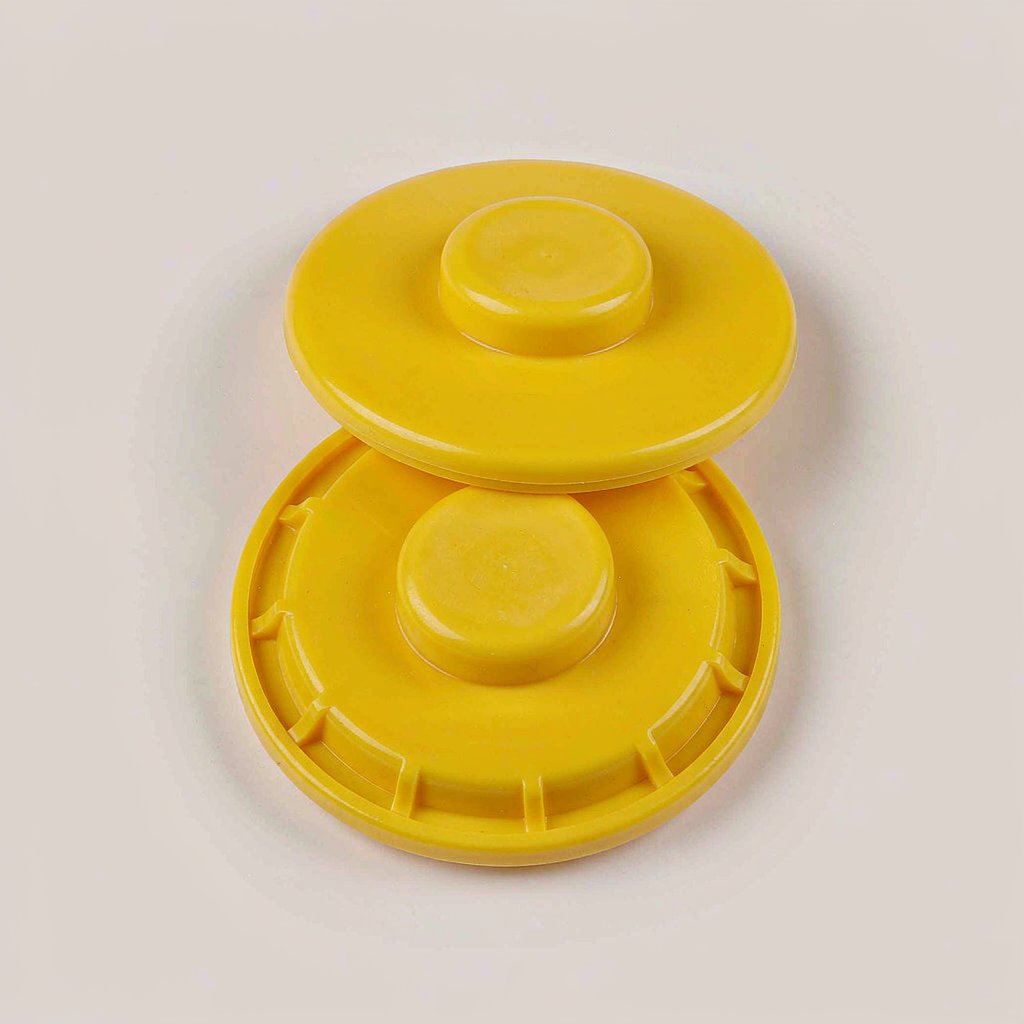
Cattle RFID Ear Tag FDX-B 134.2 kHz
Livestock electronic ear tag compliant with ISO 11784 / ISO 11785, FDX-B 134.2 kHz, for cattle identification and traceability.
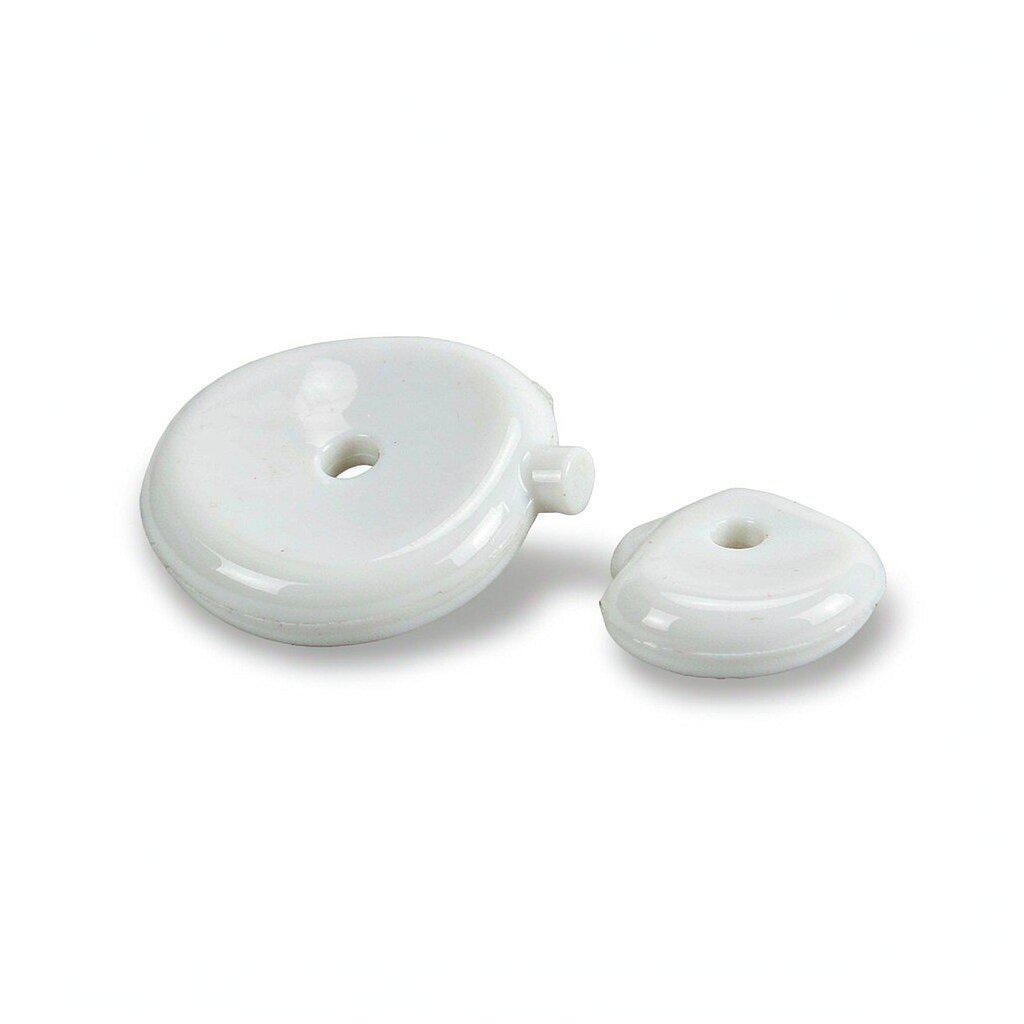
Sheep & Goat RFID Ear Tag FDX-B 134.2 kHz
Lightweight electronic ear tag for sheep and goat, ISO 11784 / ISO 11785 compliant, FDX-B 134.2 kHz.
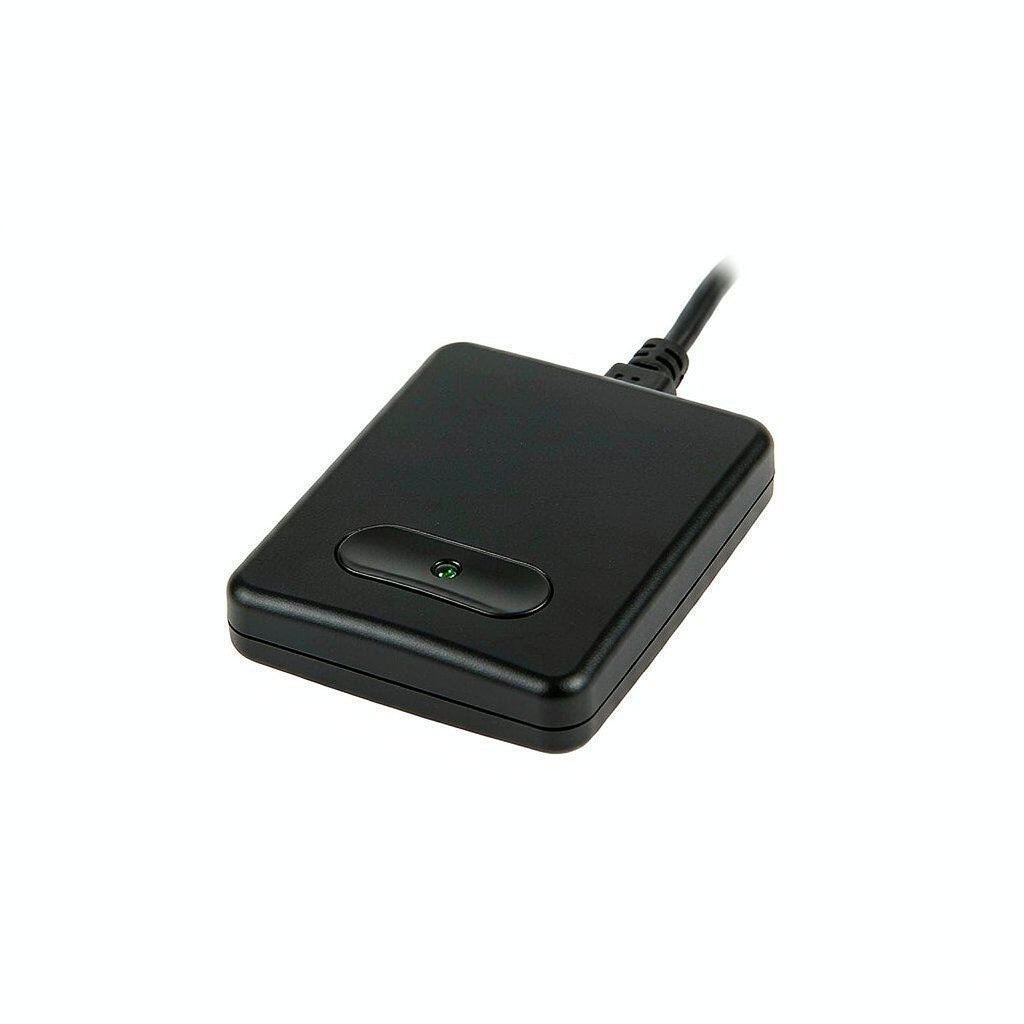
Desktop RFID Reader USB 125 kHz / 13.56 MHz
Plug-and-play desktop RFID reader supporting 125 kHz and 13.56 MHz cards, USB interface, no driver required.
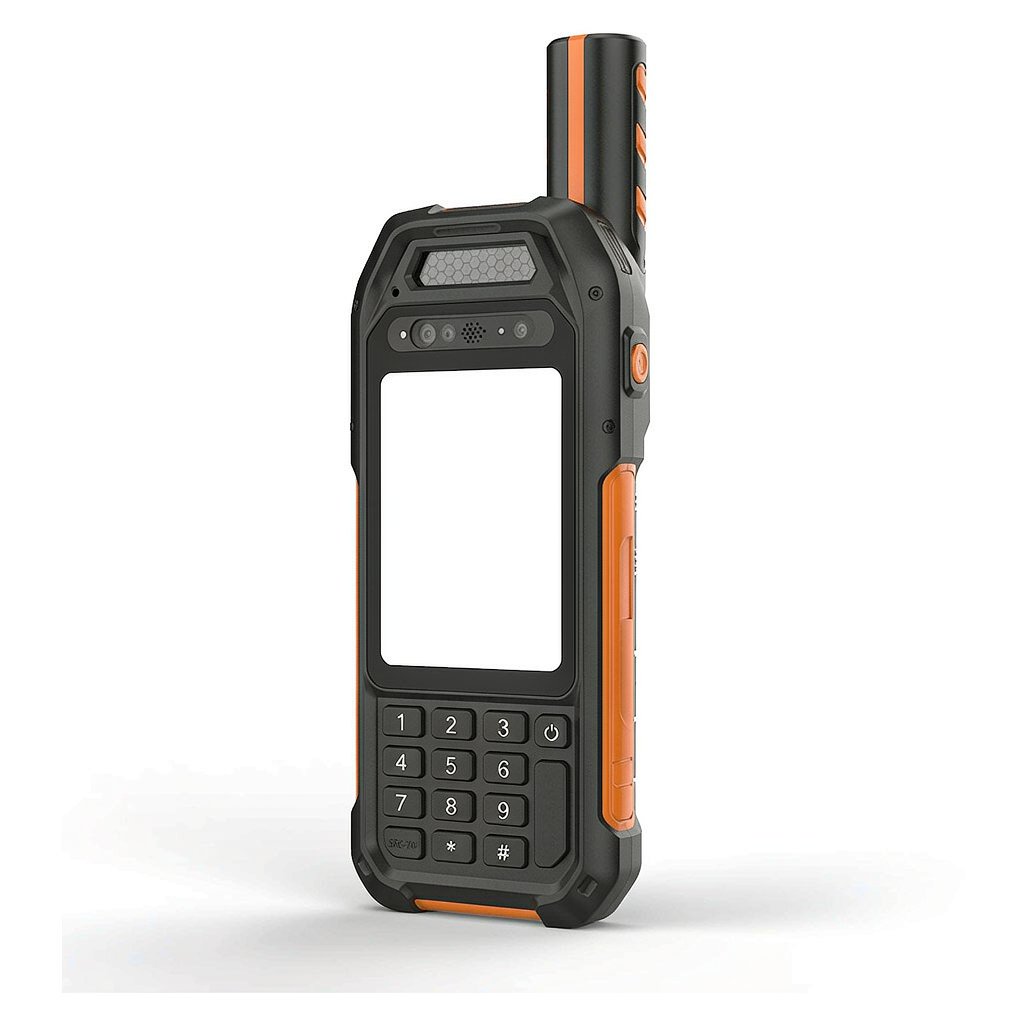
Handheld UHF RFID Reader 860-960 MHz
Portable UHF RFID reader with up to 8 m read range, Android OS, barcode scanning and wireless connectivity.
Start with a sample, not an order
Evaluate the tag and reader on your own animals before committing to volume. Send your specification and we will confirm sample availability, lead time and pricing.