Herd Management
Daily identification without the paperwork
Identify every animal at the crush, chute or weighing station, capture the record on a handheld reader and export it to your herd software — no handwritten tag numbers, no lost notebooks.
Where it goes wrong
Records are written by hand
Tag numbers are read visually under time pressure at the crush, and transcription errors are only discovered weeks later.
Data never reaches the office
Weighing, vaccination and treatment notes stay in a pocket notebook, so the herd file is never actually up to date.
Slow handling, stressed animals
Stopping to write down a number on every animal adds minutes per head and makes the whole handling day longer.
How we address it
FDX-B ear tags, laser numbered
134.2 kHz transponders manufactured to ISO 11784 / ISO 11785, with a laser-printed ID that matches the chip and cannot be rubbed off.
Read and record in one movement
Handheld and stick readers capture the ID at 10–20 cm and store up to 10,000 records offline, so work continues without a network.
Export straight into your herd software
Collected IDs export as CSV or Excel for loading into your management system, keeping the treatment history attached to the animal.
Typical specification
Reference figures for this application. Final specification is confirmed against your animals, handling routine and reading equipment.
| Operating frequency | 134.2 kHz (LF), FDX-B |
|---|---|
| Standards | Compliant with ISO 11784 / ISO 11785 |
| Read distance | 10–20 cm handheld, up to 60 cm with stick reader |
| Tag material | UV-stabilised TPU, tamper-evident male stud |
| Numbering | Laser printed, unique and non-repeating |
| Species | Cattle, sheep, goat, pig — sizes differ by species |
Common questions
Which reader should I choose for a cattle farm?
For crush-side work a Bluetooth handheld reader is usually enough. If animals pass a fixed point, a stick reader gives longer reach and records without lifting the animal.
Can the reader work without internet in the field?
Yes. Readings are stored in the reader memory and transferred to a phone or PC by Bluetooth or USB afterwards.
Do the tags comply with international standards?
The transponders are FDX-B 134.2 kHz, manufactured to ISO 11784 / ISO 11785. We can supply the chip specification sheet for your technical review.
Products used in this application
Tag and reader combinations we supply together for this scenario.
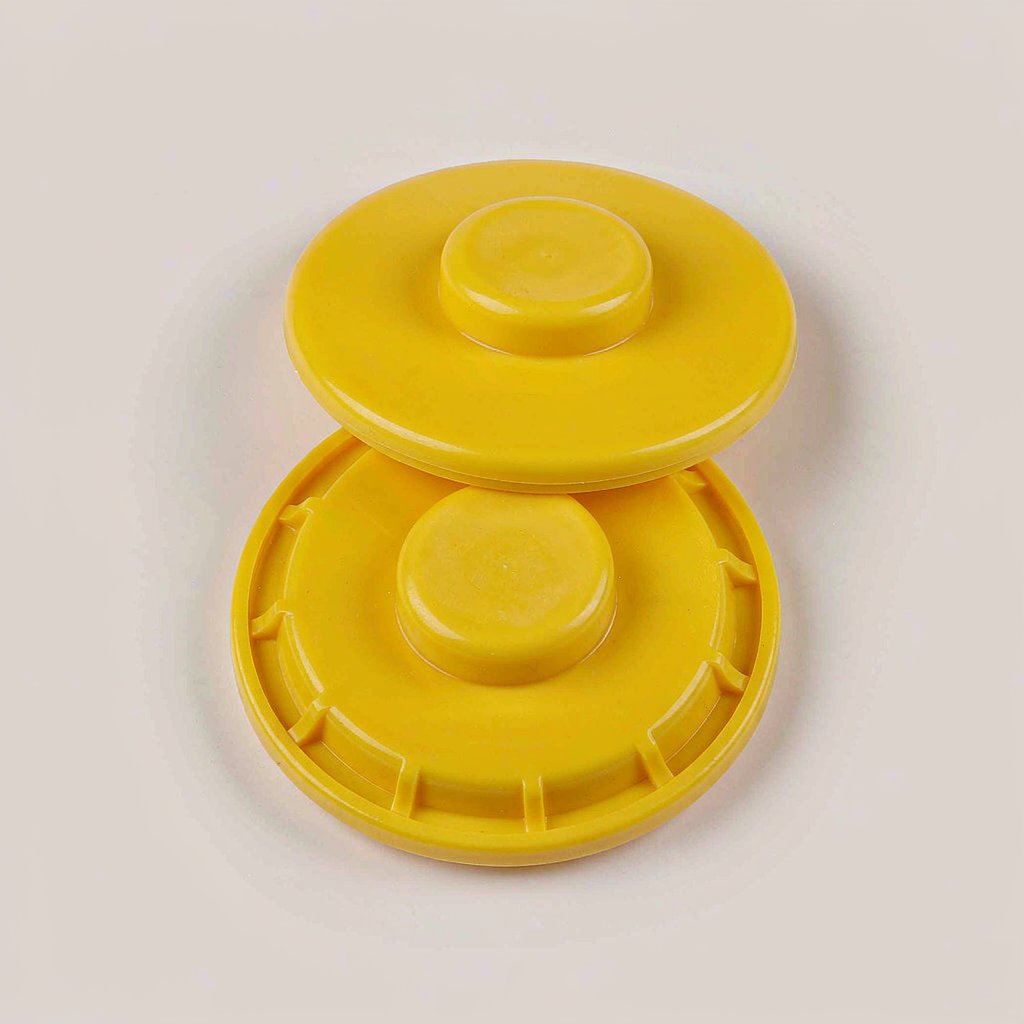
Cattle RFID Ear Tag FDX-B 134.2 kHz
Livestock electronic ear tag compliant with ISO 11784 / ISO 11785, FDX-B 134.2 kHz, for cattle identification and traceability.
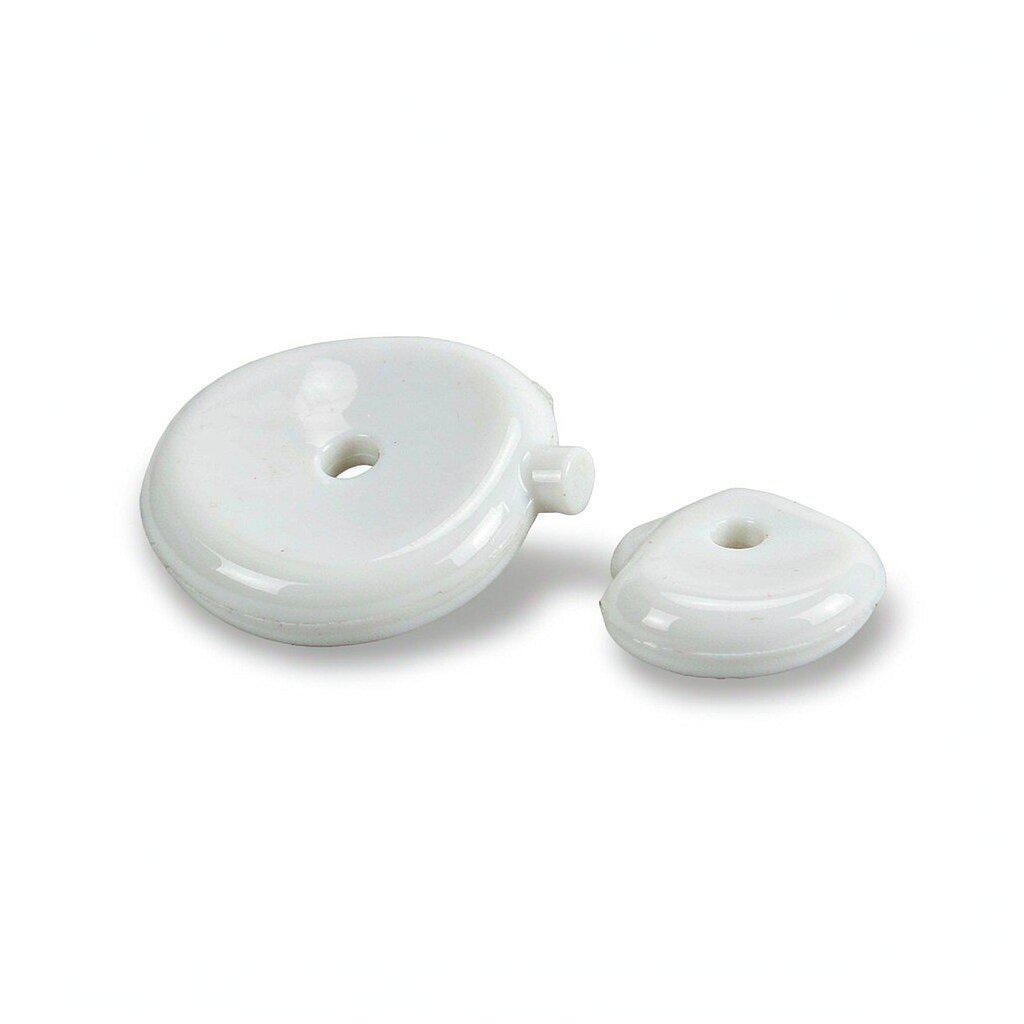
Sheep & Goat RFID Ear Tag FDX-B 134.2 kHz
Lightweight electronic ear tag for sheep and goat, ISO 11784 / ISO 11785 compliant, FDX-B 134.2 kHz.
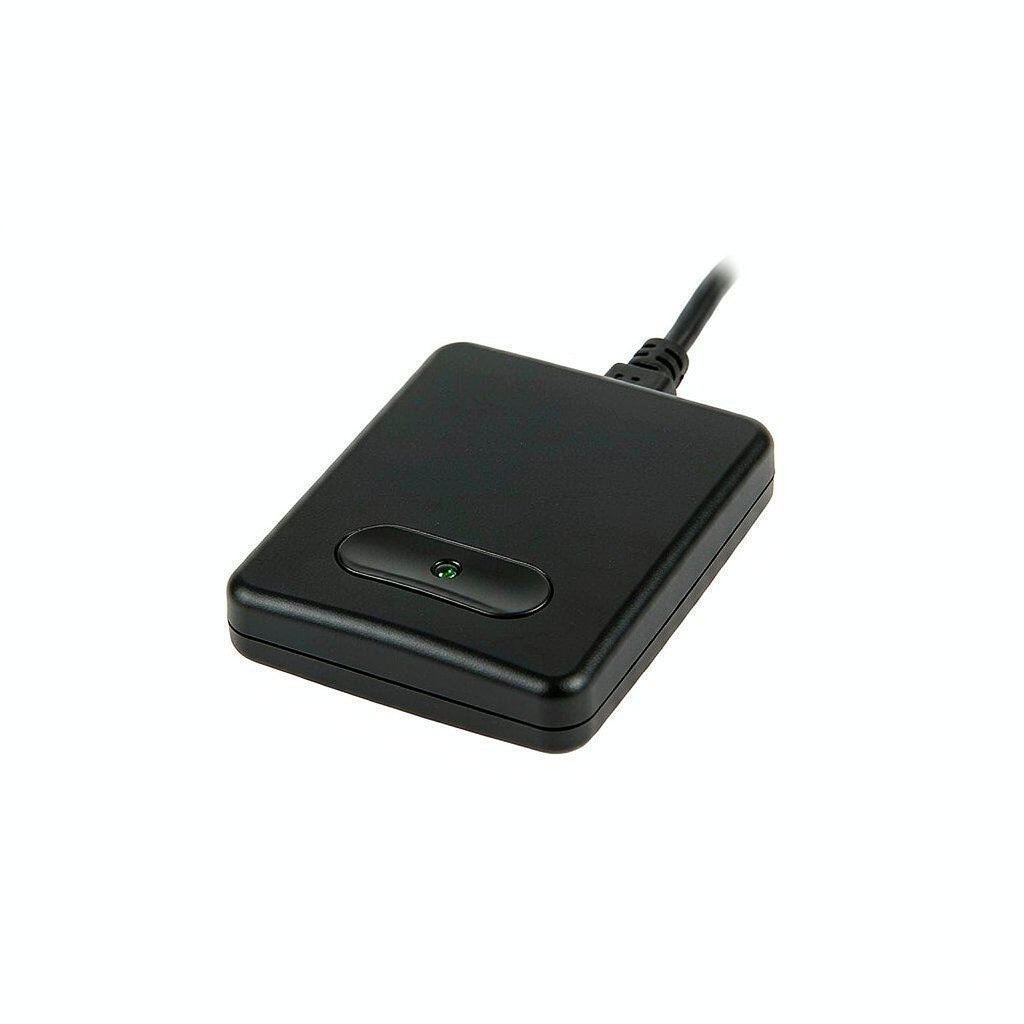
Desktop RFID Reader USB 125 kHz / 13.56 MHz
Plug-and-play desktop RFID reader supporting 125 kHz and 13.56 MHz cards, USB interface, no driver required.
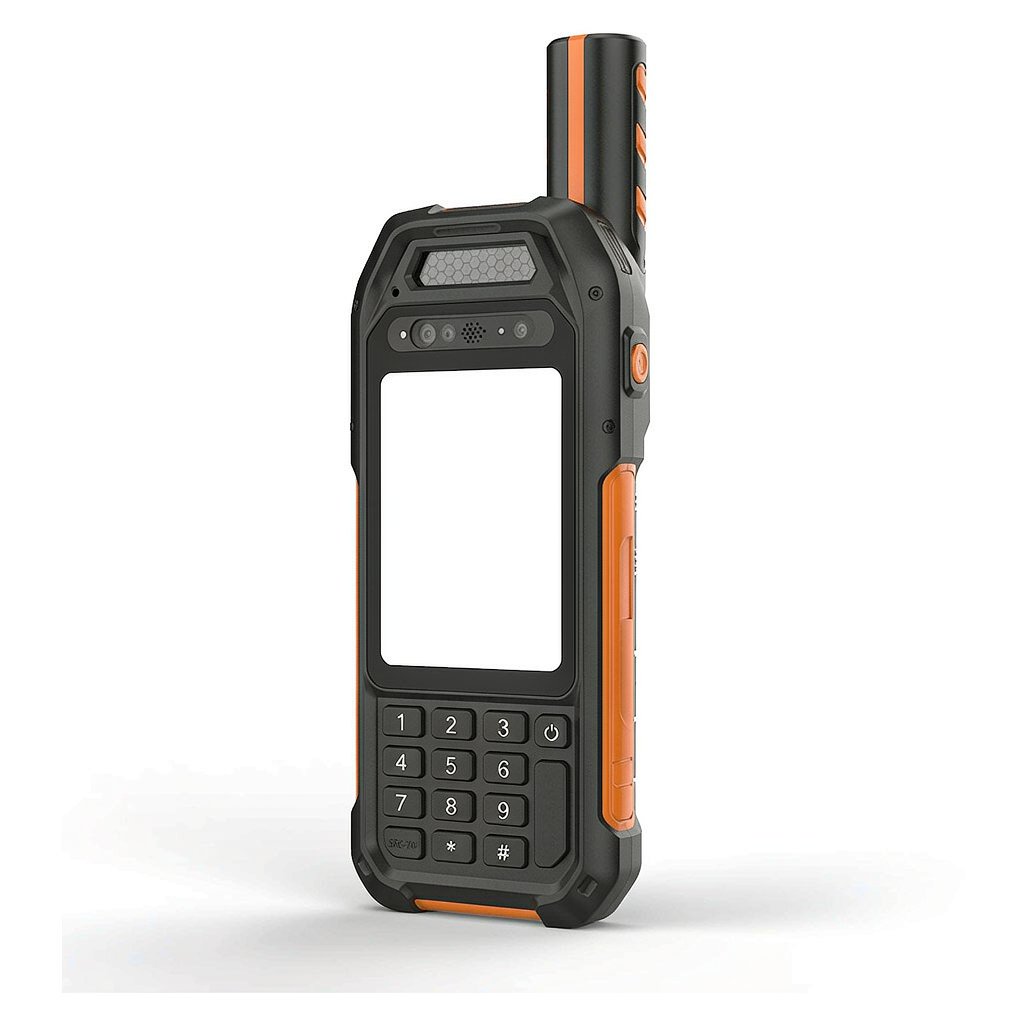
Handheld UHF RFID Reader 860-960 MHz
Portable UHF RFID reader with up to 8 m read range, Android OS, barcode scanning and wireless connectivity.
Start with a sample, not an order
Evaluate the tag and reader on your own animals before committing to volume. Send your specification and we will confirm sample availability, lead time and pricing.